
Usługi w zakresie łańcucha dostaw i logistyki, dostosowane do Państwa potrzeb
Zoptymalizuj całą swoją strategię i napędzaj rozwój biznesu dzięki naszemu kompleksowemu zakresowi usług. Nasze rozwiązania pomagają zaoszczędzić koszty, poprawić widoczność, zwiększyć wydajność i zadowolenie klientów, zapewniając rozwój Państwa firmy na każdym poziomie.
Uproszczone usługi logistyczne

Paliwa alternatywne
Zmniejsz emisję w łańcuchu dostaw, przechodząc na paliwa niskoemisyjne dzięki naszemu programowi paliw alternatywnych.
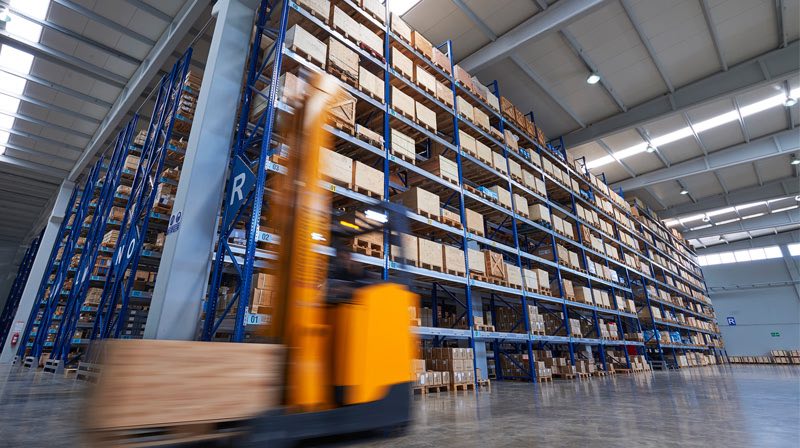
Logistyka kontraktowa
Połączenie magazynowania, zarządzania zapasami i usług celnych w jedno potężne rozwiązanie.

Logistyka transgraniczna
Dzięki niezrównanemu doświadczeniu naszego zespołu mogą Państwo bez obaw i z mniejszą liczbą zakłóceń wysyłać towary za granicę.

Pośrednictwo celne
Proszę współpracować z naszymi licencjonowanymi brokerami, aby szybko i bez dodatkowych kosztów dokonać odprawy celnej.
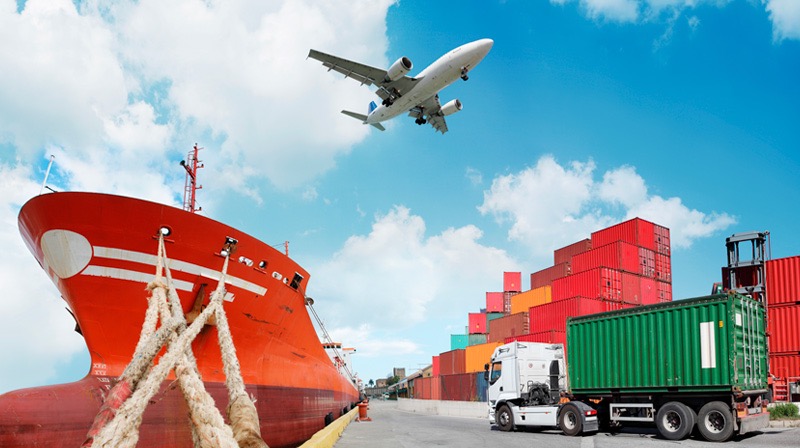
Pośrednictwo frachtowe
Proszę skorzystać z usług brokerskich dla wszystkich rodzajów transportu i zoptymalizować swoje ruchy towarowe.
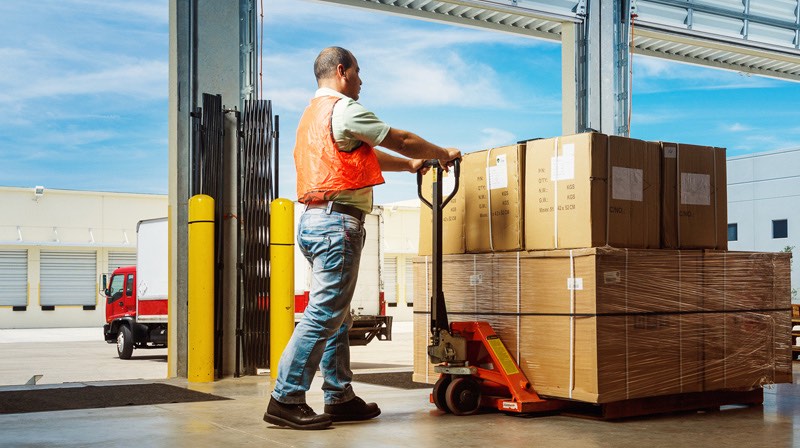
Konsolidacja frachtu
Dzięki naszym usługom konsolidacji ładunków mogą Państwo zwiększyć wydajność, obniżyć koszty i zmniejszyć emisję spalin.
Magazynowanie
Zagwarantuj sobie powierzchnię magazynową w kluczowych lokalizacjach, aby ekonomicznie wzmocnić swoją sieć dystrybucji.
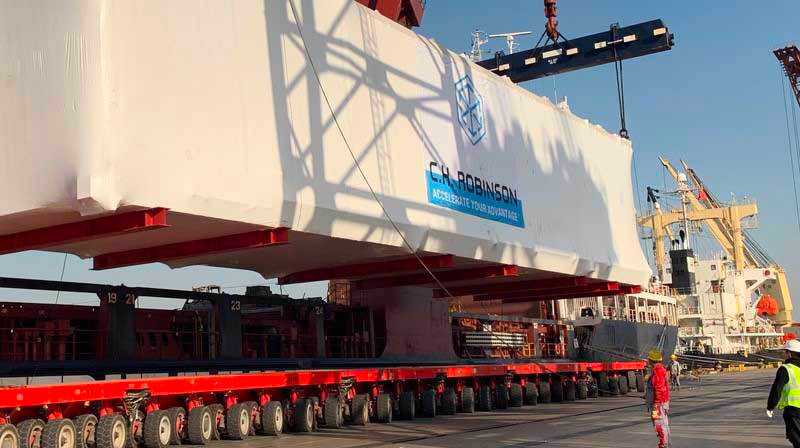
Logistyka projektu
Zmniejszenie ryzyka i oszczędność pieniędzy dzięki naszemu autorskiemu modelowi wydatków kapitałowych (CAPEX).
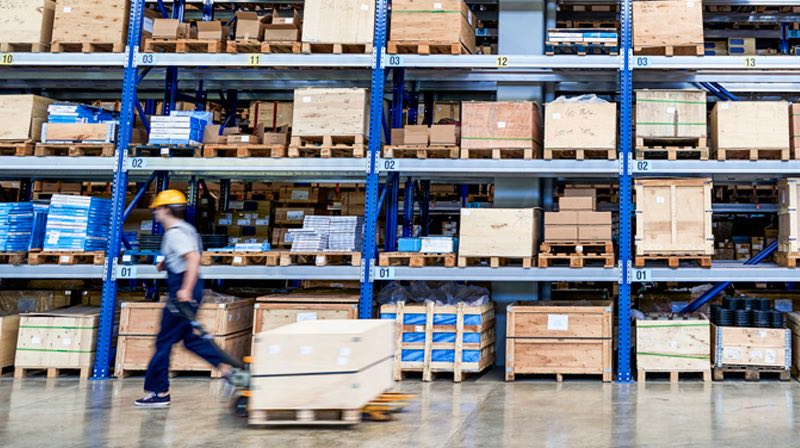
Logistyka odwrotna
Odzyskiwanie wartości i minimalizowanie wpływu na środowisko dzięki skutecznej strategii logistyki zwrotnej.
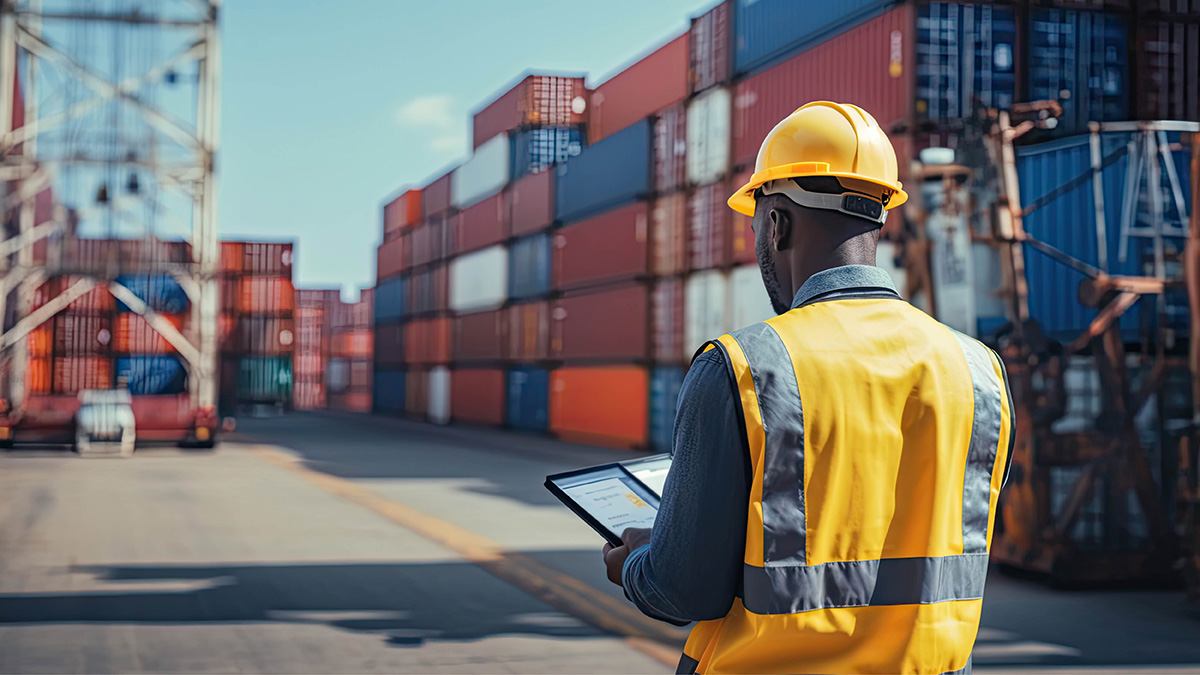
Transloading
Get earlier freight control, tailored port side solutions, and reliable delivery every time.
Pomożemy Ci osiągnąć Twoje cele
What is logistics and supply chain management?
Logistics and supply chain management is the coordinated process of planning, executing, and optimizing the movement, storage, and flow of goods, services, and information from their point of origin to the final customer.
It includes core logistics activities such as transportation, warehousing, inventory management, and order fulfillment, while also encompassing broader supply chain functions like sourcing, production planning, and distribution strategy.
At its core, effective logistics and transport management ensures products move through the supply chain efficiently, cost-effectively, and reliably, supporting business continuity and customer expectations.

How Lean AI is transforming logistics and transportation management
In today’s operating environment, the functions of logistics and supply chain management are increasingly supported by Lean AI, a proprietary blend of advanced AI, logistics expertise, and a proven Lean operating model. Used thoughtfully, Lean AI automates and enhances the end-to-end shipment lifecycle, including transportation quoting, procurement, routing, invoicing, and reporting, enabling smarter, faster, and better decisions and operation execution.
Unlock logistics and supply chain management efficiencies
Strong supply chain and logistics management helps organizations reduce operating costs, improve delivery speed and accuracy, and increase supply chain visibility. When paired with tools like Lean AI, companies can identify inefficiencies faster, proactively respond to disruption, and continuously improve operations over time.
Most importantly, a well-managed supply chain enables faster, more reliable fulfillment, leading to satisfied customers, stronger brand loyalty, and scalable growth in competitive markets.
What are the 7 steps of logistics?
The seven commonly referenced steps of logistics are:
Planning and forecasting
Anticipating customer demand and aligning supply, inventory levels, and transportation capacity to meet future needs while minimizing excess cost and waste.
Procurement
Sourcing, negotiating, and purchasing raw materials, components, or finished goods from suppliers to ensure availability, quality, and cost efficiency.
Transportation
Moving goods between locations using truck, rail, air, or ocean freight, with an emphasis on route optimization, carrier selection, and on-time delivery.
Warehousing
Storing inventory in distribution centers or warehouses and managing receiving, put-away, storage, and retrieval processes until products are needed.
Order fulfillment
Picking, packing, and shipping customer orders accurately and efficiently to meet delivery commitments and service-level expectations.
Distribution
Delivering finished goods through a network of distribution centers, wholesalers, retailers, or direct-to-customer channels to reach the end market.
Returns management
Managing returns, reverse logistics, repairs, recycling, or disposal of products in a cost-effective, sustainable, and customer-friendly way.